Senior Citizens Move Towards a "Fountain of Youth"
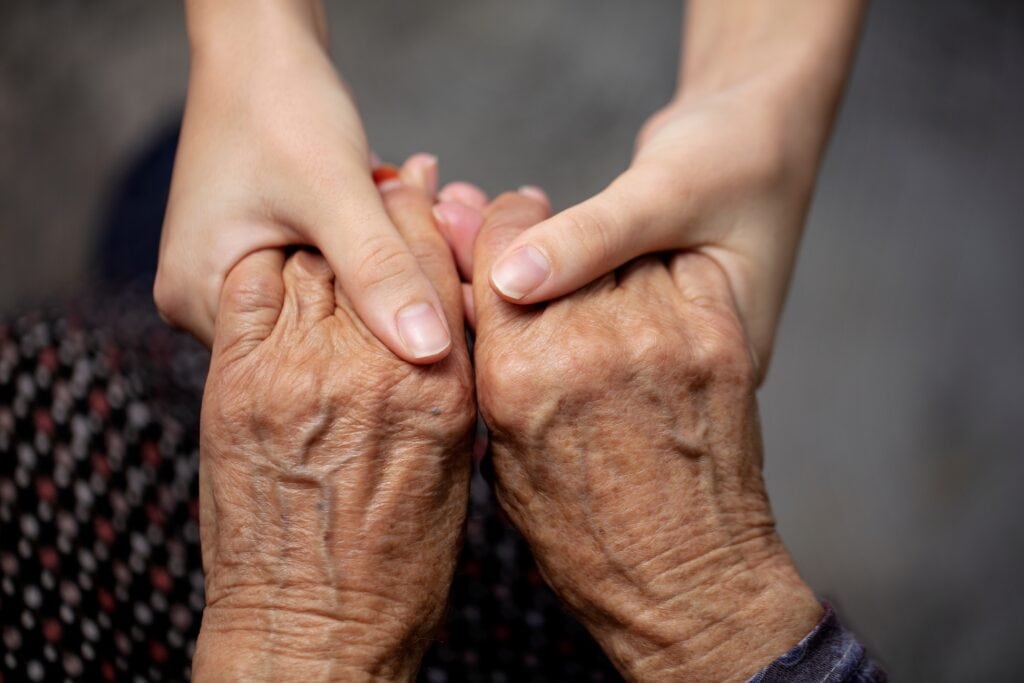
“If I don’t keep moving, my arthritis hurts so much I can barely move at all!” exclaimed Katie, a 77-year-old woman at a Zumba Gold class. Katie is likely noticing that lack of exercise often leads to tighter muscles, increased inflammation and pain, and, of course, muscle loss.
Strength Training for Older Adults
This is especially impactful for aging populations, because without strength training exercise, people can lose up to 30% of their muscle mass between the ages of 50 and 70. After age 70, the rate of muscle loss accelerates. Conversely, movement can be a tremendous protective factor as we age. In fact, exercise is one of the most effective prescriptions for aging populations. The benefits of exercise go beyond bigger muscles. “Move it or lose it”, Katie said as she found her place on the workout floor.
What are the Benefits of Exercise for Older Adults?
- Improved immune functioning
- Better gastrointestinal functioning
- Stronger bones
- Protection against chronic conditions such as cancer
The CDC reports that physical exercise can prevent, delay, or even reverse:
- Osteoporosis
- Heart disease
- Depression
- Diabetes
In other words: “I am pretty sure movement is the closest thing we have to the fountain of youth” said Gail, a local 80-year-old who enjoys swimming, walking, and playing pickleball every week.
Fear of Falling in Older Adults (FoF)
Many people develop a fear of falling as they age, due to the following stark facts. Each year, about 350,000 Americans fall and break a hip. Of those, 40% end up in a nursing home, and 20% are never able to walk again. The three primary risk factors for falling are poor balance, taking more than 4 prescription medications, and muscle weakness. Elderly people without these risk factors have a 12% chance of falling in a year. Those with all three risk factors have almost a 100% chance. Not only does exercise increase muscle mass, but it can also stimulate nerve endings in the feet, which decreases the likelihood of a fall.
Brain Health in Older Adults
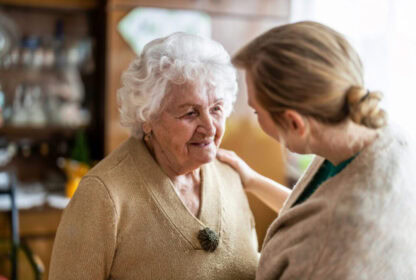
While falling is one of the top concerns for aging populations, loss of brain function is also a growing concern. According to Sarah Lenz Lock, Senior Vice President for Policy & Brain Health at AARP: “Consistently ranking, the issue of the greatest concern [ for retirees] is their brain health.” This is well-founded, because a 2025 study showed that Americans over age 55 have a 42 percent chance of developing dementia. While genetics play a role, the good news is that, according to Sarah: “As much as 40 percent of dementia cases could be delayed or prevented.”
How Can Dementia Be Prevented?
Traditionally, it was thought that brain-focused activities like word searches, crossword puzzles, and Sudoku are best for exercising the brain. However, Denise Medved, creator and CEO of a cutting-edge brain fitness program, says, “Simple word games and puzzles do not delay cognitive decline. They only affect some of the brain functions, and they just make you better at puzzles.”
Movement of the Body Helps the Mind
Moving the body has the power to transform the mind. In his book, Keep Sharp, Neurosurgeon/Journalist Sanjay Gupta agrees: “Movement had the best evidence around it, in terms of what it does for your brain.” And while most movement increases blood flow to the brain, traditional repetitive exercise does not engage all the functions of the brain. Research shows that the best way to improve brain functioning is to combine physical and cognitive challenges at the same time, because they increase neuroplasticity.
In simple terms, neuroplasticity is the ability of the brain and central nervous system to change form and function. Neuroplasticity continues throughout our lifetimes, if we do things that make us “think while moving,” like dancing, obstacle courses, or learning a new sport, we stimulate neuroplasticity, which leads to better brain functioning on a day to day basis.
Ideally, though, the best movement is movement that you like, or ideally love to do. Finding something that you enjoy, whether it’s dancing, hiking, swimming, tennis, or treadmill, makes you more likely to return to it.
There’s a popular saying: “Growing old is not for sissies. It is true. And while a real fountain of youth continues to elude humankind, the 18th-century British poet John Gay agreed with what aging people today have echoed: “Exercise thy lasting youth defends.”
Learn More About How Intent Clinical Can Help You
To learn more about the benefits of exercise of the body and mind or about other Aging Care Management Services, please contact Intent Clinical today at 617-910-3940.