Rethinking Medications in Aging
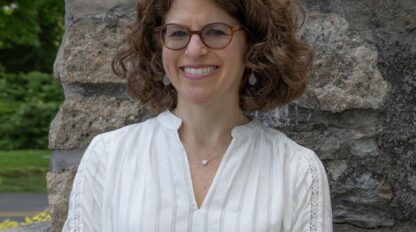
Elise Cedrone


Written by Elise Cedrone, BSN, RN, CDP
As a care manager, I often hear the same concern: “Mom just isn’t herself anymore.” Families notice memory lapses, mood changes, dizziness, or a sudden decline in independence. The first thought is usually that a new disease has developed. In reality, the problem may be sitting in the medicine cabinet.
In older adults, prescriptions can quickly add up. One medication for sleep, another for blood pressure, another for pain. Each medication has its place, but together they can create new problems. The saying “a pill for every ill” comes to mind, and it is something families, friends, and care professionals must take seriously.
How Medications Can Mimic Illness
Many medications cause side effects that look like an entirely new condition. Memory loss, confusion, and balance issues can appear identical to dementia or depression.
One important example is a group of drugs with what are called anticholinergic effects. In plain terms, these medications block a chemical messenger in the brain called acetylcholine, which is critical for memory, attention, and muscle function. When this system is disrupted, people may feel foggy, forgetful, or unsteady. These drugs include some antihistamines, bladder medications, antidepressants, and sleep aids.
We often see clients who begin a new medication and soon after show changes in thinking or behavior. Families may panic and assume a major diagnosis, but without a thorough review, the real cause may never be uncovered. Too often this leads to more testing, more prescriptions, and more stress.
Why are Older Adults Are at Higher Risk of Taking Medications?
The body changes with age. Medications are processed more slowly, and organs like the liver and kidneys cannot clear them as efficiently. This means side effects hit harder. Add in multiple specialists who may not communicate, and the risk grows. Taking five or more medications at once, known as polypharmacy, is now common for older adults.
Aging itself does not explain every new symptom. Medication reviews are not optional; they are essential and should be a component of every thorough care discussion and done periodically by individuals with their providers and care managers. The goal is not to eliminate all prescriptions, but to make sure the right ones are still the right fit.

Graduating Off Medications
I recently attended a professional training on deprescribing, and the presenter, a geriatric pharmacist, used the phrase “graduating off medications.” That language stuck with me. It reflects the kind of thoughtful, person-centered approach we are working to build into our aging care management, including partnerships with geriatric pharmacy experts for future referrals. What made sense at age 60 may not be needed at 80. A prescription that once stabilized a condition may now contribute to brain fog, fatigue, or falls. Before anyone accepts a new diagnosis, a full medication review should take place. This simple step can prevent older adults from being labeled with conditions that are really side effects in disguise.
Steps for Families and Caregivers of Older Adults Taking Medications
If you notice changes in a loved one, consider these actions:
– Keep an accurate medication list, including over-the-counter drugs and supplements.
– Ask whether new symptoms could be related to side effects.
– Schedule a medication review with a physician, pharmacist, or care manager.
– Look for opportunities to simplify. Sometimes less really is more.
Intent Clinical’s Aging Care Management Services
At Intent Clinical, we help families navigate this process every day. We often meet clients with long medication histories and unclear symptoms. By coordinating audits and working closely with prescribers, we bring clarity and help families make confident, safe decisions about care.
Medications can save lives, but they can also create confusion. Taking a thoughtful pause to review what is truly necessary can protect independence, preserve quality of life, and ease the fears of both older adults and their families.
Contact Intent Clinical Today
If you or someone you love is navigating the challenges of aging, health, or complex care needs, contact us today. At Intent Clinical, our dedicated team provides compassionate, personalized care management to help families find clarity, confidence, and peace of mind.
Disclaimer: This article is for informational purposes only and is not a substitute for medical advice. As always, talk with your healthcare provider before making any changes to your medications or care plan.